Year-End Review
2025–2026
We were honored to work alongside hundreds of schools across the U.S. this year, strengthening existing partnerships with teachers and students and welcoming new ones with open arms.
The 2025-26 School Year
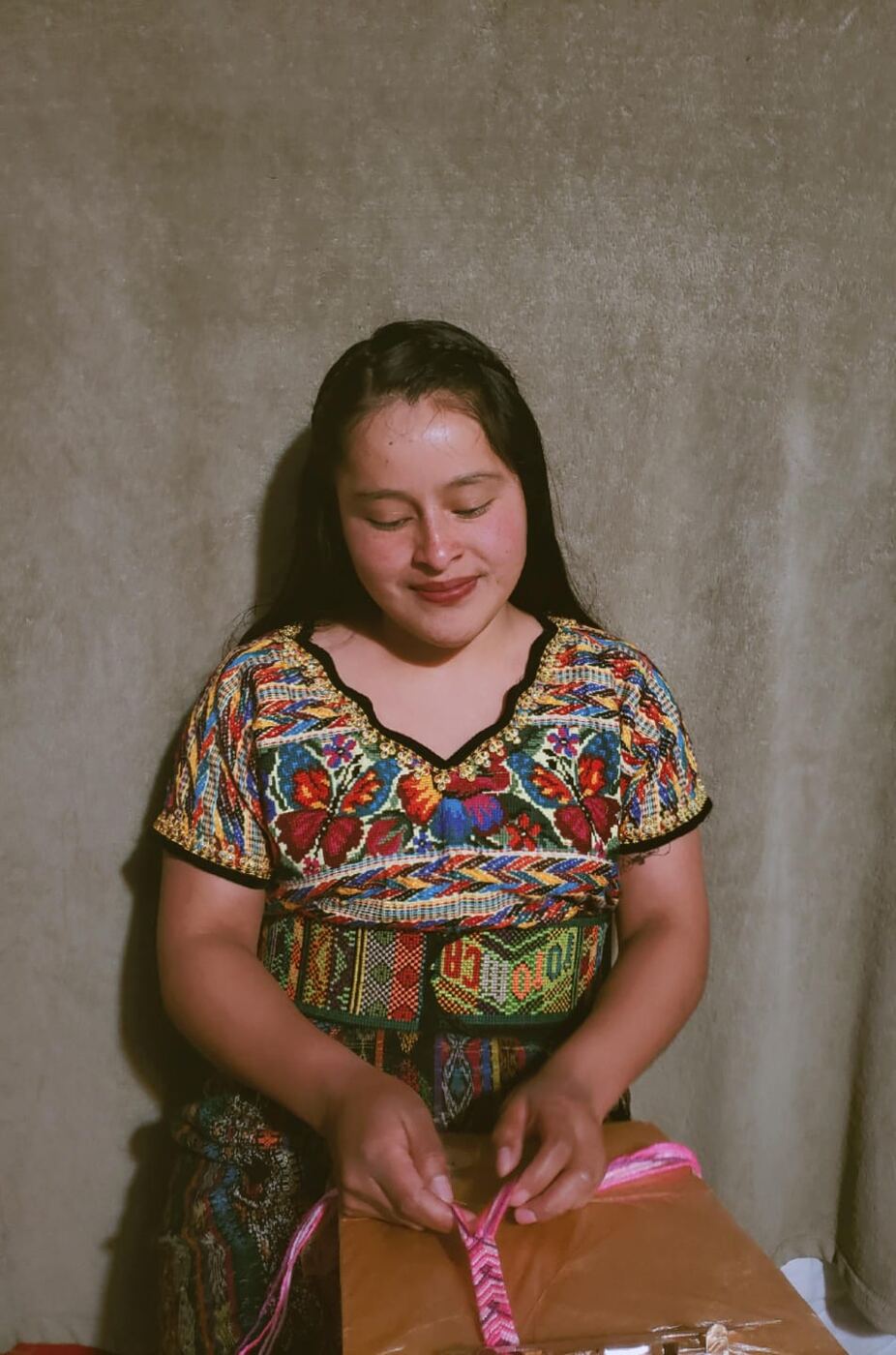
Year after year it is students and teachers who bring our mission to life, alongside the hundreds of artisans and community members we're proud to call our pulsera family in Guatemala and Nicaragua. Together this collaboration brought to life powerful lessons on solidarity, fair trade, and global citizenship in classrooms nationwide.
Together, their efforts helped fund in income for artisans, and an additional for artisan benefits and donations to community organizations in Guatemala and Nicaragua — including a brand new computer lab at CEMSAC school, and another successful phase of our long-running housing project.
The year also required us to continue adapting to lower school participation and sales. After years of maintaining higher levels of pulsera purchasing through the pandemic and its aftermath, pulsera-making was adjusted to better reflect current sales and to protect the long-term sustainability of the project. Even with those challenges, the project still provided $109,665 in artisan income while continuing to invest in the educational and social impact programs that are integral to our mission.
Our "siempre adelante" spirit remains strong. With new collaborations, a new housing support program for Guatemalan artisans, expanded teacher and educational partnerships, innovative resources for classrooms, and the continued dedication of our small team and Central American partners, we step forward into the new school year with renewed commitment to building bridges of solidarity, sustaining fair trade work, and inspiring the next generation of global citizens.
Three core components
The Pulsera Project is built around an exchange of solidarity and mutual benefit. Students in the U.S. help sustain economic opportunities for artisans in Central America through school pulsera sales while learning about the people, cultures, and communities connected to the handcrafted work they’re selling.
The exchange reaches well beyond the pulsera sales themselves. Educational materials bring Central American perspectives into classrooms, video chats give students opportunities to connect more directly with people involved in the project, and our annual Teacher Trip brings educators together with artisans, staff, and local organizations in Guatemala for an immersive experience built around learning from one another. By bringing education and Fair Trade together, the project creates value on both sides of the relationship: meaningful work and investment in Central America alongside opportunities for U.S. students to explore language, culture, global citizenship, and perspectives beyond their own communities. That two-way exchange remains at the core of what makes The Pulsera Project unique.
The Artisans of Nicaragua & Guatemala
For most project artisans, making pulseras is either a means of paying their way through university or a supplementary income to help provide for their families. When not weaving, many artisans study, work in the informal economy (selling handicrafts, food, clothing, etc.) or in seasonal agriculture (coffee picking, sustenance farming, etc.). This means many don't have a steady job or reliable income other than what they receive from their pulseras. It is our goal to fill this gap and help provide predictability and consistency in an environment that lacks that.
This year we purchased pulseras and delivered in artisan income, employing about artisans whose households include roughly people.
What that adds up to in work
One stitch is 100 pulseras purchased, representing one month of fair-trade employment with benefits. So this is the year, woven.
months of fair-trade work — about years of steady, paid employment in a single school year. Since 2009 the project has paid to artisans for their pulseras.
Moments from the year
Numbers aside, the true richness of the project is about forging bonds and memories together with our artisans and watching them grow and succeed in their lives. Some particularly special moments this year:
The Educational Program in the U.S.
This was the biggest year we have had with our teacher and language advocacy partners. We ran a national essay contest with Vista Higher Learning, co-hosted a webinar with Vista and Central States, spent two days on Capitol Hill with JNCL-NCLIS, and exhibited at ACTFL and SCOLT.
We were thrilled to bring our partners at Vista down to Guatemala for an incredible trip that showcased the artisans and groups we partner with in Central America. The trip sparked many ideas for new initiatives, partnerships, and ways to expand the project as we move adelante.
Classes with an artisan
One of the educational highlights of the past year was offering classes the ability to video chat with Nicaraguan pulsera artisan Reyna Gutierrez, who happily shared with students her experiences living in Nicaragua and working for The Pulsera Project.
Speaking with pulsera artisans has been a long-requested opportunity from dozens of schools, and in the first year fourteen different classes took advantage of it. Feedback from teachers and students was overwhelmingly positive and added a whole new layer to the pulsera sale experience. We're grateful to Reyna for lending her time, and eager to keep this program alive and well into the coming school year — now with the women of Creamos in Guatemala City joining in.
One library for every classroom resource
Every Spanish material we have - 41 of them - now lives in one searchable library. You can search it the way a teacher actually thinks: "15 minutes", "sub plan", "video about housing". Each material carries its length, its level, and a printable standards-alignment sheet with a picker for all 50 states and DC.
Everything is free, as it always has been, and nothing requires a sale to use.
Teacher Partnerships & Conferences
Each year we sponsor pulsera educators to attend language conferences and speak about the project. We appreciate the following teachers who represented us this past school year:
Bringing Community into the ClassroomNov 2025
In November we co-hosted a webinar with Vista and the Central States Conference on the Teaching of Foreign Languages on bringing real community voices into language instruction. Jennifer Kilmore, Vista’s Director of Professional Learning, presented alongside our co-founder Chris Howell and Betsy Techman, an ELL and Spanish teacher who has hosted pulsera sales. Betsy walked teachers through what the project actually looks like in a classroom: the small routines that get students making personal connections to people in the countries they are studying, and the service-learning side of running a sale. Around 160 teachers registered.
We also exhibit at language conferences. We had a booth at ACTFL in New Orleans in November 2025, with 4,882 attendees, and a table at SCOLT in March 2026, with 533 teachers attending. Our booth for ACTFL 2026 in San Antonio is already booked. State and regional associations are where we meet most of our new teachers, so we try to have a presence in as many of them as we can.
Collaborations
We're excited to continue collaborating with organizations that share our values and our mission to expand language and cultural education around the U.S.
Teacher Trip to Guatemala
The Pulsera Project is the sum of many working parts and thousands of people's efforts. It's but once a year that all of the different collaborators of the project are woven together for an unforgettable adventure. Teachers, artisans, founders, staff and local organizations spend over a week together, sharing professional experiences, perspectives, appreciation and enthusiasm for the project. And if that wasn't special enough, this year we had the excitement of the World Cup to cap off the many unforgettable days.
A heartfelt thank you to Vista Higher Learning and to AATSP and the National Spanish Exam for continuing to sponsor places on the teacher trip.
Thousands of Teachers and Students
The mission of The Pulsera Project would not be possible without the dedication of thousands of teachers and students across the United States each year. Through their pulsera sales they help create dignified employment for artisans in Central America and raise funds that support impactful programs in Guatemala and Nicaragua, all while engaging students in lessons on social impact, solidarity, fair trade and global citizenship.
During the 2025–2026 school year we had the privilege of partnering with 281 schools in the Fall and 365 in the Spring, for a total of 646 pulsera sales. Each individual sale was the result of tremendous energy and commitment from classrooms, clubs and entire school communities. of those schools hosted their very first pulsera event.
Since 2009, students and teachers have organized Pulsera Project events at schools across all 50 states, raising . We are deeply grateful for every student, teacher and volunteer who purchased a pulsera or contributed in any way to bringing this meaningful work to life.
Raised by students since 2009
A running total across thirty-five semesters. Hover anywhere along the line.
Who runs the sales
The schools whose type we have on record.
Schools that keep coming back
One square per school. Hover any of them for the name and how many sales that school has hosted.
schools have hosted five or more pulsera sales, and have hosted ten or more. Conestoga High School in Pennsylvania has hosted seventeen. Those long-running partnerships are integral to the success of The Pulsera Project and we're so grateful for the ongoing support from returning schools year after year.
Social Impact
When the project first started, its sole priority was creating income and employment for artisans. Then, as more schools started getting involved, we began investing equal time and energy in developing educational materials for students and Spanish classrooms. Next, as the project grew and pulsera sales flourished, we channeled our resources into community impact and supporting local organizations in Central America.
This year we prioritized supporting Guatemalan youth and education by funding a computer lab at a partner school, CEMSAC, in Santa Cruz Quixayá. In addition, we continued our support of five local organizations and provided artisan benefits, bringing the total sent to Central American communities this year to — going to artisans and social impact organizations.
Where community investment has gone since 2009
Artisan benefits and grants combined, in all.
Community Investment, Adding Up
A running total of artisan benefits and partner grants, year by year.
The organizations we supported this year
Click any of them for the full story.
Housing, this year
Three of this year's builds in Santiago Atitlán, photographed before and after the work. Drag the divider on any of them.
Every one of these was run by the artisan herself — hiring the mason, pricing the materials, keeping the build on schedule. We fund it; they build it.
When artisans own their homes, their earnings stop being consumed by rent and go into family, education, and wellbeing instead. Since 2009: 37 homes built, 32 repaired and 21 plots of land bought, positively impacting 320 people across 79 artisan families.
In People, Not Dollars
What the programs have added up to on the ground since 2009.
One Unified Team
After years of working as separate teams in the U.S. and Nicaragua, the project has transitioned to operating as one unified team. This is both a philosophical and a practical adjustment for the staff, and we are already seeing the fruits of the change. The Pulsera Project's headquarters remains in Charleston, SC, while some staff work remotely from Los Angeles and Nicaragua.
Jillian, Chris, Colin and Evan have worked together for over a decade, but now co-manage every aspect of the project while maintaining certain divisions of labor for efficiency and effectiveness. This includes school partnerships, emails and educational resource development, pulsera box shipping, accounting, and relationships with artisans and partner organizations in Central America. They also oversee social media, website design, educational partnerships, video chats with clubs and classes, and the counting of hundreds of thousands of pulseras each year — all while continuing to shape the vision for The Pulsera Project's future.
Volunteer board members continue to dedicate significant time and energy in support of the thousands of teachers and students who also give their efforts to the project. The board meets monthly to oversee general administration, coordinate meetings and activities, provide guidance on financial decisions, and work alongside staff to review and recommend social impact investments.
Adelante in 2026–2027
As we look toward the 2026-27 school year ahead, we’re especially excited about new ways to make The Pulsera Project experience more engaging, accessible, and useful for the teachers and students who bring it to life in schools across the country.
At the center of that effort is our brand new school portal, one of the biggest improvements we’ve made to the pulsera sale experience in years. Each participating school will now receive its own one-stop dashboard where teachers and students can manage their sale, log sales and track cashless payments, explore their school’s history with the project, visualize their impact, and find helpful resources throughout the process.
We’re also excited about the portal’s new Spanish Materials section, which brings our growing collection of Spanish-language educational resources together in one searchable place. Teachers can easily find activities, readings, videos, lessons, and other materials to incorporate before or during a pulsera sale—or to continue exploring with students throughout the school year. Our hope is that these new tools will make it easier than ever for a pulsera sale to become a springboard for deeper learning about Spanish, Central American culture, Fair Trade, and global citizenship.
Beyond the new portal, we look forward to continuing to strengthen our educational partnerships in the U.S. while deepening the relationships that sustain our work in Guatemala and Nicaragua. We’re excited for another year of collaborating with artisans and social impact organizations, creating meaningful experiences together, and connecting teachers and students more closely with the people and communities at the heart of the project. After more than fifteen years, the tools we use and the ways we connect continue to evolve, but the spirit behind the project remains the same. With our siempre adelante spirit still guiding us, we enter 2026–2027 excited to build on these new possibilities while continuing to create Fair Trade work opportunities, inspire global citizenship, and weave together communities through the simple beauty of a pulsera.
Want to be part of next year?
Pulsera sales are 100% free, they raise your group's profile on campus, and they support fair trade work for over 120 artists in Central America. Sign-ups for the coming year are open at pulseraproject.org/getinvolved.